I have spent my working life looking at communities through a camera. I shot for the Albert Lea Tribune. I covered the Packers for the Green Bay Press-Gazette. I taught photojournalism at the University of Iowa and at NWTC. A photographer learns one thing early: people trust what they can see for themselves. That is the whole idea behind this piece. I want Sheboygan's government to be something every resident can see, read, and check, any time they want.
I am asking to serve District 7 on the Common Council. This is my application, in plain words: here is my vision for Sheboygan.
1. Every word, on the record
Today, if you want to know what was said at a city meeting, you scrub through hours of video. The minutes give you motions and votes, not the why.
I want every Common Council and committee meeting to have a live, word-for-word transcript on the city website while the meeting happens. As each agenda item comes up, the documents for it sit right beside the words. Within 24 hours, a corrected final goes up next to the video.
Sheboygan already has most of the pieces. Meetings are recorded, aired live on Spectrum 990 and AT&T U-Verse 99, and posted with agendas, packets, and minutes on the city's meetings portal. The company that runs that portal already offers live captions and a downloadable transcript.
Based on published rates, a live machine draft costs pennies per meeting. The real work is correcting the final, roughly $200 to $270 per meeting at outside human rates, or a few hours of staff time. Sheboygan's actual price still needs a quote.
Other cities already do this. San José posts live-captioned transcripts next to its Council video. Austin lists a caption transcript on every Council meeting page. Norman, Oklahoma has captioned its streamed meetings since 2021. Philadelphia keeps verbatim Council transcripts back to 1997.
My first step is small: a 90-day pilot on Common Council meetings, with the Clerk reporting back on real cost, accuracy, and staff time. The design reviews for the new Waterfront and Marina Master Plan would be a natural place to try full transcripts too. Live text will have errors, so the live version is labeled a draft and the corrected version is the one we rely on. I will ask the City Attorney how that corrected transcript can best become part of the official record.
2. If it's generated, it's public
My rule is simple. If the city generates it, it is public, unless it is personal or legally privileged.
That is not a radical idea. It is where Wisconsin law already starts. State law presumes public records are open. It requires bodies to reasonably accommodate anyone recording an open meeting. And it says a body may go into closed session for certain listed reasons. It does not say it must. So a council can choose to close the door almost never, and I would.
When a session truly has to be closed, for legal advice or a personnel matter, the public record should say plainly when the body went in and when it came out. A resident's medical detail or home address gets redacted, and the redaction is noted. Everything else, we share.
The city has no IT strategic plan on record, and an open records standard could be its first chapter. The draft 2026 to 2046 Comprehensive Plan is still a draft, and it has room for an open government goal. Where questions of law come up, such as how far a local rule can go beyond the state's, I will ask the City Attorney and share the answer.
3. Better for residents is better for visitors
I believe that if you make a city better for the people who live here, it gets better for the people who visit.
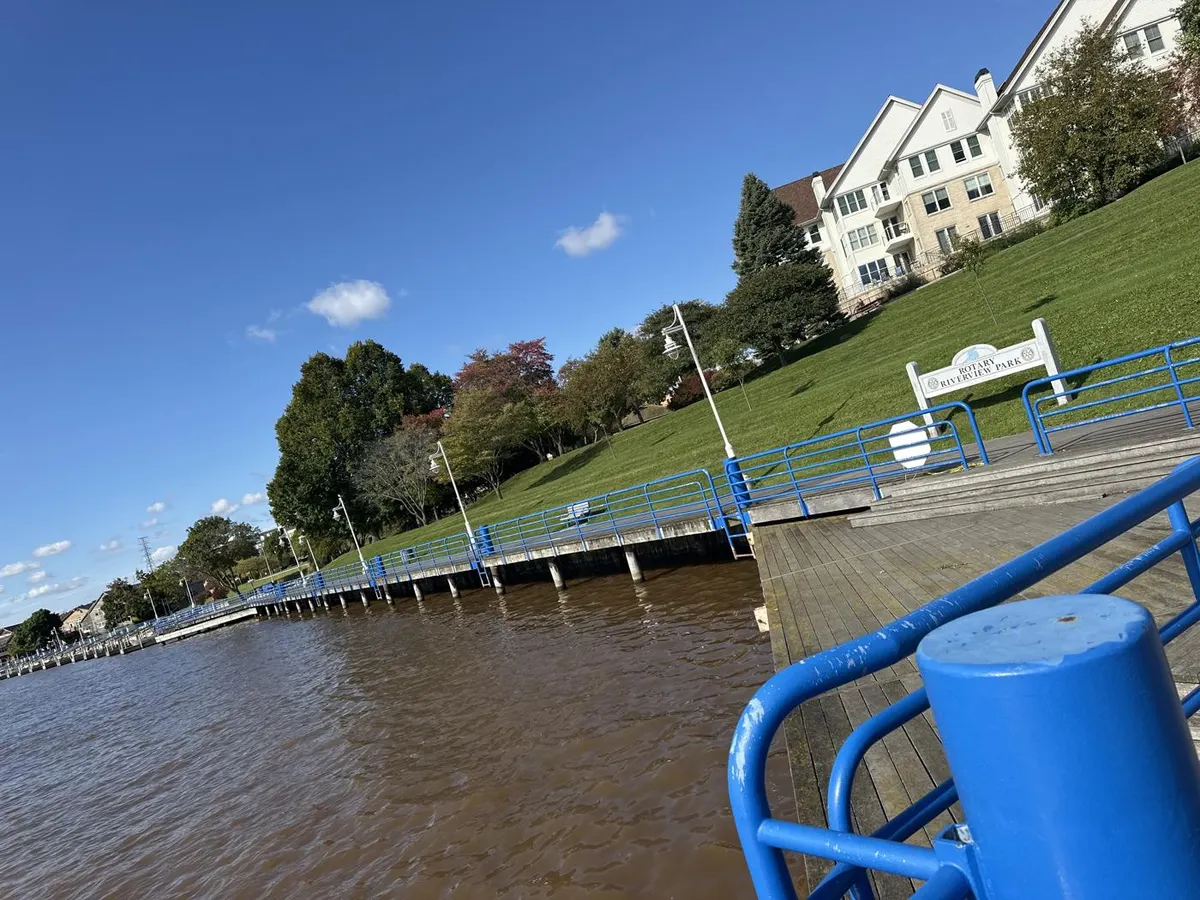
Some of the best work is already underway. A movable bike and pedestrian bridge from Virginia Avenue to South Pier is planned with a federal grant. I would like its boat openings on a posted schedule, so you can plan a walk across. The Waterfront and Marina Master Plan was adopted in August. I want the rebuilt marina to be a year-round public place, with a public launch and slips for locals, not just a boat lot.
These next ideas are mine, not in any city plan yet. One lit, plowed shoreline route from Deland Park to South Pier to King Park. A warm changing hut at Deland and a cleared winter path to the breakwater, for surfers, walkers, and anyone who wants to see the lake in January. South Pier's remaining land weighted toward things residents use all year. And when new waterfront deals reach the Council, public walkway frontage and a share of lower-rent homes should be part of the bargain.
4. Use me as a tool
I want to be a tool you can pick up. Ask me to find a document, chase a question, or put an issue on the table, and I will, in public, with what I find posted for everyone.
Come on in. The water's fine, and every word of it will be on the record.